Call Us: 08045477254

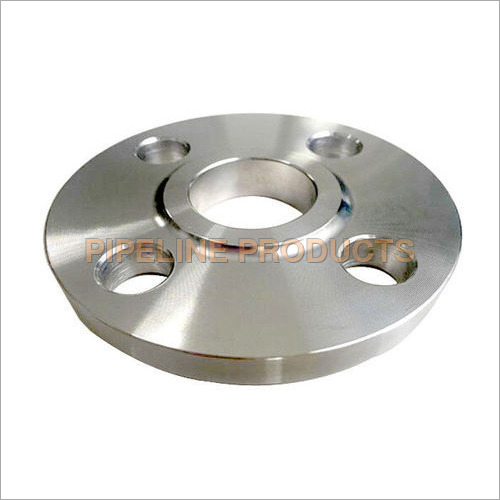
ASTM Flange
75 INR/Piece
Product Details:
- Grade ASTM A182 F304 / F316; ASTM A105; ASTM A350 LF2 etc.
- Application Pipeline Connection, Oil & Gas, Chemical, Petrochemical, Power Plant
- Feature High Corrosion Resistance, Durable, Precision Machined
- Purity High, industrial grade
- Dimension (L*W*H) As per specification / customized
- Product Type Flange
- Material Stainless Steel / Carbon Steel / Alloy Steel
- Click to View more
X
ASTM Flange Price And Quantity
- 75 INR/Piece
- 500 , , Piece
ASTM Flange Product Specifications
- Metallic Silver
- High, industrial grade
- As per specification / customized
- ANSI Class 150 to Class 2500
- Stainless Steel / Carbon Steel / Alloy Steel
- ASTM (American Society for Testing and Materials)
- 1/2 inch to 48 inch
- High Corrosion Resistance, Durable, Precision Machined
- Other
- Round
- Flange
- Pipeline Connection, Oil & Gas, Chemical, Petrochemical, Power Plant
- Forged
- ASTM A182 F304 / F316; ASTM A105; ASTM A350 LF2 etc.
- Strict dimensional tolerance as per ASTM
- Forging & Machining
- Meets ASTM/ASME/ANSI specifications
- Standard thickness as per ASTM specifications
- Raised Face, Flat Face, Ring Type Joint
- Wooden Box / Pallet / Carton
- -30C to 600C
- Mirror, Matt, or Custom Finish
- MTC EN 10204 3.1/3.2 Provided
- According to ASTM standard
- Low, minimal upkeep required
ASTM Flange Trade Information
- 500 , , Piece Per Week
- 2-5 Days
Product Description
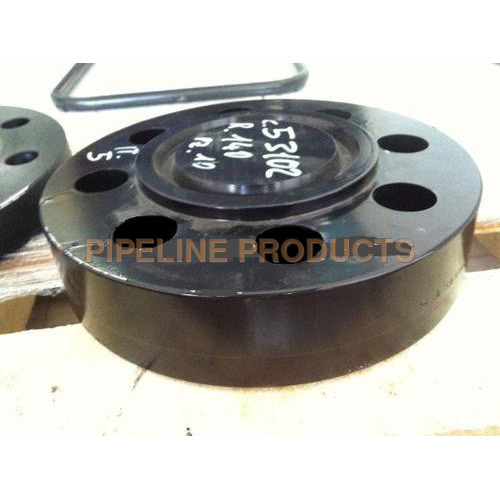
We are offering the ASTM Flange for use in the various commercial and industrial applications. A flange is a forged or cast ring of steel designed to connect mechanically sections of pipe or join pipe to a pressure vessel, pump, valve or any other piece of equipment. The flange materials suit high temperature and high-pressure applications and improved resistance to corrosion when compared to regular carbon steel flanges grades. The offered ASTM Flange is made available by us for use in the various places and industrial places. The flange is easy to install at the needed place.
Stainless Steel Flanges
|
Sr. No. |
Material |
Size |
Class |
Specification |
Items |
||
|
1 |
Forged Flanges |
15 NB to 750 NB |
150#300#600# |
900#1500# |
A-182ANSI B16.5 |
SORF WNRF BLRF SWRF |
LAP Joint Threaded Reducing |
|
2 |
Plate Flanges |
15 NB to 500 NB |
ASA 150 Table D Table E DIN Table ND-6 ND-10 |
ASA 300 Table F Table H ND-16 ND-25 ND-40 |
A-240,ANSI B16.5 |
SORFBLRF |
LAP Joint & Spectacle |
Note:-
|
|
||||
|
Grade |
304 |
316L |
310S |
410 |
|
Test Certificate |
Manufacturer Test Certificate Under Third Party Inspection |
- |
- |
- |
|
Specialize |
As Per Drawing |
- |
- |
- |
Quality Assurance and Certificates
Every ASTM flange is supplied with a Material Test Certificate (MTC) in accordance with EN 10204 3.1 or 3.2, affirming conformity to required chemical, mechanical, and physical properties. Our manufacturing process includes forging and machining with strict quality controls to guarantee precision and reliability.
Versatile Design and Applications
Designed to meet ASTM, ASME, and ANSI standards, these flanges are versatile for various face types including Raised Face, Flat Face, and Ring Type Joint. With sizes and pressure classes available to suit diverse pipeline systems, they are widely applied in industrial sectors such as oil & gas, chemicals, petrochemicals, and power plants.
FAQs of ASTM Flange:
Q: How is the thickness of the ASTM flange determined?
A: The thickness of ASTM flanges is specified according to standard ASTM requirements, ensuring optimal performance and durability for pressure ratings from ANSI Class 150 to Class 2500.Q: What are the available flange face types and where are they commonly used?
A: Flange face types include Raised Face, Flat Face, and Ring Type Joint. Raised Face is common in process piping, Flat Face is used for cast iron equipment, and Ring Type Joint suits high-pressure applications such as oil and gas pipelines.Q: When is a test certificate provided for the ASTM flange?
A: A Material Test Certificate (MTC) compliant with EN 10204 3.1 or 3.2 is provided at dispatch, confirming the flanges compliance with mechanical and chemical property standards.Q: What materials and grades are used in manufacturing these flanges?
A: ASTM flanges are manufactured from stainless steel, carbon steel, or alloy steel, with grades like ASTM A182 F304/F316, ASTM A105, and ASTM A350 LF2, offering high purity and industrial-grade performance.Q: How does the manufacturing process ensure dimensional accuracy?
A: Precision forging and machining are employed, adhering to strict dimensional tolerances as per ASTM standards, ensuring reliable fit and function in pipeline installations.Q: What are the benefits of using ASTM flanges in industrial applications?
A: ASTM flanges provide high corrosion resistance, durability, and minimal maintenance, making them suitable for demanding conditions in oil & gas, chemical, petrochemical, and power plant applications.Q: Where can these flanges be sourced and how are they packaged for safe delivery?
A: Manufactured and supplied in India, ASTM flanges are securely packaged in wooden boxes, pallets, or cartons to prevent damage during transit and storage.Tell us about your requirement

Price:
Quantity
Select Unit
- 50
- 100
- 200
- 250
- 500
- 1000+
Additional detail
Mobile number
Email

Other Products in 'MS Flanges' category

PIPELINE PRODUCTS
GST : 27CTRPK1677D1ZC
GST : 27CTRPK1677D1ZC
- Plot No. 281/282, Sunder Transport Lane, Near Ganesh Hotel Mazgaon, Darukhana,Mumbai - 400010, Maharashtra, India
- Phone : 08045477254
- Mr. Abrar Ahmed Khan (Proprietor)
- Mobile : 08045477254
-
 Send Inquiry
 Send Inquiry
|

 Send Inquiry
 Send SMS
 Call Me Free
PIPELINE PRODUCTS
All Rights Reserved.(Terms of Use)
Developed and Managed by Infocom Network Private Limited.
Developed and Managed by Infocom Network Private Limited.

