Call Us: 08045477254

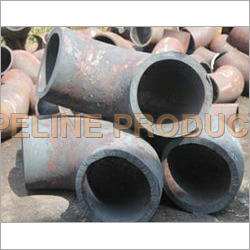
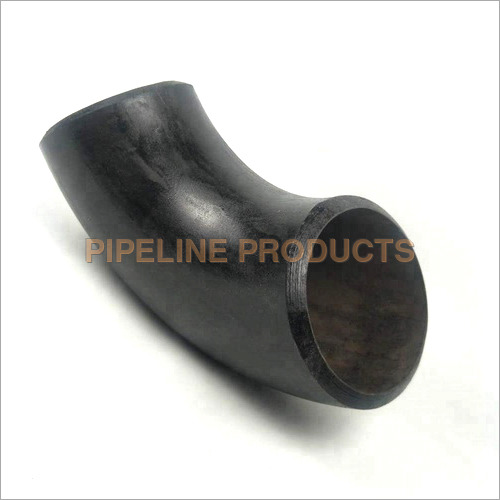
Alloy Steel Fitting
120 INR/Piece
Product Details:
- Bend Radius 1D, 1.5D, 2D, Custom
- Flexibility Rigid
- Diameter 15 mm to 1200 mm
- Tolerance 0.01 mm
- Tensile Strength 415585 MPa
- Connection Type Welded, Threaded, Flanged
- Temperature Range -20C to +600C
- Click to View more
X
Alloy Steel Fitting Price And Quantity
- 120 INR/Piece
- 500 , , Piece
Alloy Steel Fitting Product Specifications
- Industrial Piping Systems, Oil & Gas, Petrochemical, Power Plant
- Black / Silver Grey
- -20C to +600C
- Metal-to-Metal
- Connecting, Diverting, Terminating Pipe System
- Black Paint / Rust Preventive Coating
- 205275 MPa
- Elbow, Tee, Reducer, Coupling (Varies as per Requirement)
- Schedule 10S to XXS or Custom as per Drawing
- Other
- NPT, BSP, or as per Standard
- Butt Weld, Socket Weld, Threaded
- ASTM A234 WP11, WP22, WP5, WP9, WP91, or as per requirement
- Rigid
- 1D, 1.5D, 2D, Custom
- 15 mm to 1200 mm
- 0.01 mm
- inch to 48 inch (DN15 DN1200)
- Standard or Customized as per Specification
- Other
- 415585 MPa
- Round
- Welded, Threaded, Flanged
- Alloy Steel Fitting
- Black Painted, Anti-Rust Oil Coated, Shot Blasted
- Up to 6000 PSI (Varies with Schedule)
- Forged / Seamless / Welded
- Ultrasonic, Radiography, Hydrostatic
- Good, Suitable for Low Temperature Applications
- High
- Long, Suitable for Critical Applications
- Plain, Beveled, Threaded
- Manufacturer, Exporter, Supplier
- Suitable for Carbon Steel, Stainless Steel, Alloy Steel Piping
- Conforms to International Standards
- Normalized, Quenched & Tempered
- Wooden Cases, Pallet, Bundles
- 170220 HB
Alloy Steel Fitting Trade Information
- 1000 , , Piece Per Week
- 2-5 Days
Product Description
The offered Alloy Steel Fitting is made available by us for use in the various commercial and industrial applications. The alloy steel pipe fitting is fabricated with alloy elements in such as Chrome, Molybdenum, Nickel alloy, Hastelloy alloy, Monel, Inconel, and etc. To get a higher pressure ratings, better strength, good corrosive resistance, and longer durability. The Steel pipe fitting are made of carbon or alloy steel pipe, plates, profiles, to a certain shape that could make a function. The offered high quality Alloy Steel Fitting is very efficient and safe for use. It is very durable and safe.Robust Performance in Extreme Conditions
Designed for reliable operation from -20C to +600C, these alloy steel fittings retain strength and impact resistance even under intense pressure (up to 6000 PSI). Their compatibility with a variety of piping materialsincluding carbon steel, stainless steel, and alloy steelmakes them suitable for diverse industrial applications.
Precision Engineering and Quality Assurance
Production leverages strict forging, seamless, or welding techniques, underpinned by advanced quality testing methods such as ultrasonic, radiography, and hydrostatic inspections. Each fitting conforms to international standards like ASTM A234, ASME B16.9, and MSS-SP-75, ensuring tight tolerances (0.01 mm) and reliable in-service performance.
FAQs of Alloy Steel Fitting:
Q: How are alloy steel fittings tested to ensure safety and reliability in critical applications?
A: Each fitting undergoes thorough ultrasonic, radiography, and hydrostatic tests to verify structural integrity and leak-tightness. This ensures suitability even for demanding environments such as oil & gas and power plants.Q: What is the benefit of corrosion resistance in alloy steel fittings?
A: High corrosion resistance protects fittings from rust and chemical damage, prolonging service life and minimizing maintenance costs, which is essential for safety in industrial piping systems.Q: Where can these alloy steel fittings be used effectively?
A: These fittings are ideal for industrial applications, including oil & gas, petrochemical, and power generation piping systems, where they connect, divert, or terminate pipelines under varied pressures and temperatures.Q: What types of end connections are available for alloy steel fittings?
A: The fittings are offered with multiple end connections: plain, beveled, threaded, butt weld, socket weld, and flanged, ensuring compatibility with different installation requirements.Q: How are the alloy steel fittings protected during shipping and storage?
A: Each fitting is securely packaged in wooden cases, pallets, or bundles and coated with black paint or anti-rust oil to prevent damage and corrosion during transit and storage.Q: When should heat-treated alloy steel fittings be preferred?
A: Heat-treated fittings, including normalized, quenched, and tempered variants, are preferred for applications requiring elevated hardness, enhanced impact strength, and durability at low or fluctuating temperatures.Tell us about your requirement

Price:
Quantity
Select Unit
- 50
- 100
- 200
- 250
- 500
- 1000+
Additional detail
Mobile number
Email

Other Products in 'Butt Weld Fittings' category

PIPELINE PRODUCTS
GST : 27CTRPK1677D1ZC
GST : 27CTRPK1677D1ZC
- Plot No. 281/282, Sunder Transport Lane, Near Ganesh Hotel Mazgaon, Darukhana,Mumbai - 400010, Maharashtra, India
- Phone : 08045477254
- Mr. Abrar Ahmed Khan (Proprietor)
- Mobile : 08045477254
-
 Send Inquiry
 Send Inquiry
|

 Send Inquiry
 Send SMS
PIPELINE PRODUCTS
All Rights Reserved.(Terms of Use)
Developed and Managed by Infocom Network Private Limited.
Developed and Managed by Infocom Network Private Limited.

